

MOPE Clinic Highlights Why Exercise Recovery Can Slow With Age
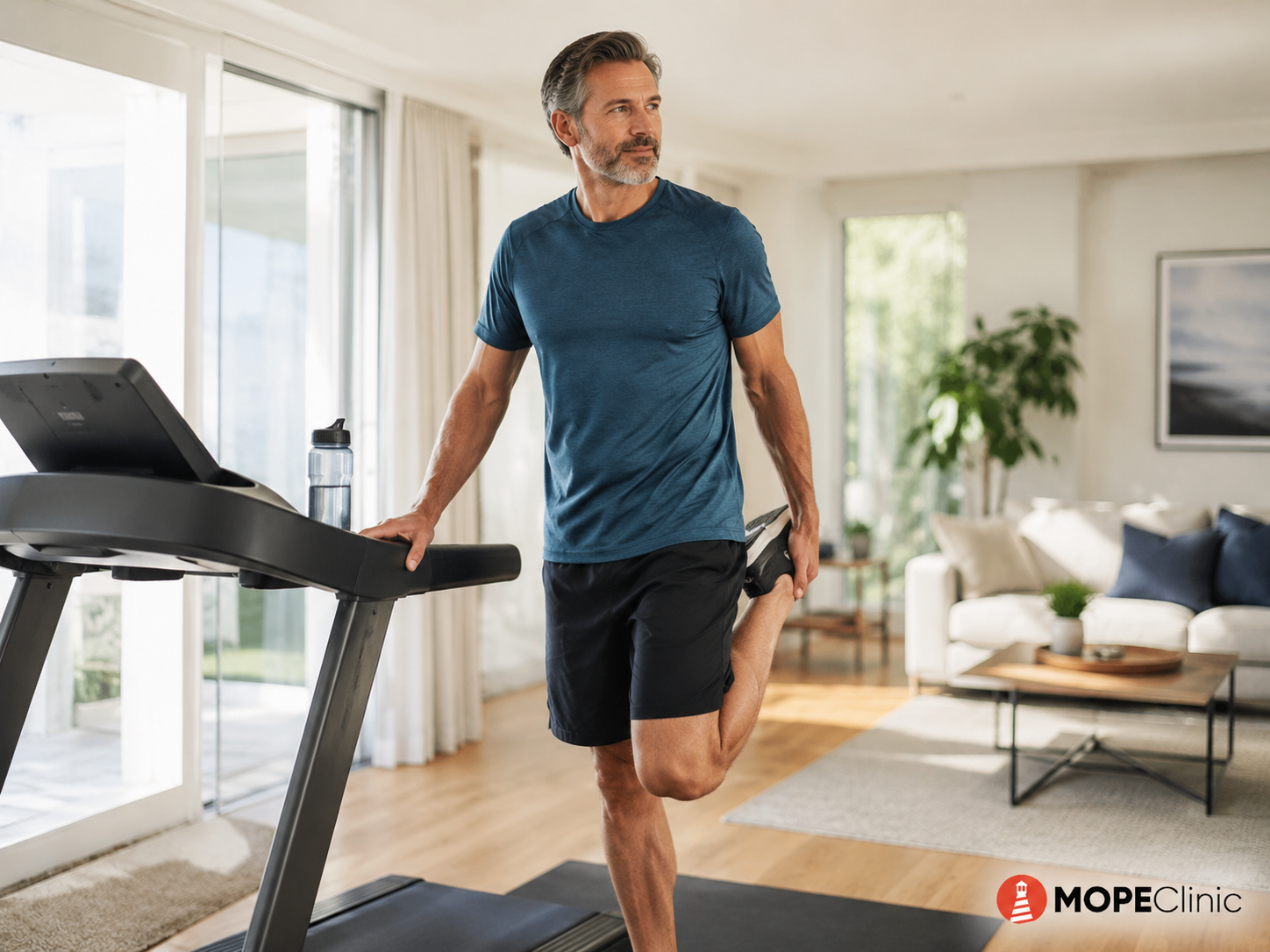
Exercise recovery can be affected by sleep, hydration, nutrition, muscle health, hormones, and medical history.
Metairie clinic explains how sleep, hydration, nutrition, hormones, and lab testing may affect exercise recovery in adults.
METAIRIE, LA, UNITED STATES, July 13, 2026 /EINPresswire.com/ -- MOPE Clinic, a LegitScript-certified medical clinic in Metairie, Louisiana, is sharing educational information on why exercise recovery may become slower, more unpredictable, or more frustrating as adults age.
Many adults notice a shift in how their body responds to physical activity. A workout that once caused mild soreness may later result in several days of stiffness, fatigue, reduced motivation, or slower performance. While aging can influence muscle recovery, MOPE Clinic emphasizes that age alone is rarely the full explanation.
Exercise recovery is affected by several interconnected factors, including sleep quality, hydration, nutrition, muscle mass, inflammation, stress, medical conditions, medication use, and hormone health. In South Louisiana, heat and humidity may add another layer of stress to the body, especially for adults who exercise outdoors, work in physically demanding environments, or struggle with fluid loss during warmer months.
“Exercise recovery is often about more than age. Labs, sleep, nutrition, hydration, and medical history can all help explain what the body is experiencing,” said Chris Rue, APRN, FNP-C, MOPE Clinic Owner. “At MOPE Clinic, treatment decisions are not based on symptoms alone. Patients receive medical evaluation and lab testing before treatment recommendations are made.”
Delayed soreness after a new or challenging workout can be normal. However, persistent fatigue, declining strength, poor sleep, prolonged soreness, reduced exercise tolerance, or unexplained changes in body composition may signal that a more complete health review is appropriate.
MOPE Clinic explains that muscle tissue naturally changes over time. Adults may gradually lose muscle mass and strength, especially when resistance exercise and adequate nutrition are not maintained. Research also describes age-related changes in how muscle responds to exercise and protein intake, which may make recovery more dependent on consistent habits and personalized planning.
Sleep is one of the most important parts of recovery. During rest, the body supports tissue repair, regulates stress responses, and restores energy. When sleep is poor, recovery may feel slower even when a person follows a reasonable exercise routine. Frequent waking, short sleep duration, untreated sleep apnea, stress, or inconsistent sleep schedules may all affect how the body feels after activity.
Nutrition also plays a central role. Exercise creates a signal for adaptation, but the body still needs adequate nutrients to repair and maintain muscle. Protein provides amino acids that support muscle tissue. Instead of relying on supplements first, many adults benefit from focusing on regular meals, adequate protein intake, and realistic weight-loss strategies that preserve lean muscle.
Hydration is especially important in Louisiana. High humidity can make it harder for sweat to evaporate, which may increase heat strain during outdoor activity. Fluid loss can contribute to headaches, fatigue, cramping, reduced performance, and longer recovery. Adults who exercise outdoors, work in the heat, or sweat heavily may need to be especially mindful of hydration habits.
MOPE Clinic also cautions against assuming that more intense workouts or more supplements will solve the problem. Harder workouts may worsen recovery if the body is already under stress. Supplements also cannot correct poor sleep, inadequate nutrition, uncontrolled medical issues, injury, medication side effects, or an underlying hormonal concern.
Instead, MOPE Clinic encourages a more structured approach. Recovery begins with the basics: sleep, hydration, gradual exercise progression, adequate nutrition, and planned rest. When symptoms continue despite reasonable lifestyle changes, lab-based medical evaluation may help identify contributing factors.
A lab-first approach is especially important when symptoms overlap with hormone concerns. Fatigue, reduced strength, poor sleep, weight gain, low motivation, and slow recovery can occur for many reasons. These symptoms may be related to lifestyle, stress, medical conditions, medication use, hormone imbalance, or a combination of factors. Laboratory testing helps avoid assumptions.
MOPE Clinic requires labs before treatment and develops personalized treatment plans based on medical history, symptoms, goals, and lab results. The clinic is not a virtual-only provider and does not use questionnaire-only prescribing as a substitute for medical evaluation.
Practical Recovery Tips for Adults
Adults experiencing slower recovery may benefit from reviewing their weekly routine before making major changes. Gradual progress is often more sustainable than sudden increases in workout intensity.
A sudden jump in weight, repetitions, running distance, or training frequency can lead to excessive soreness. Increasing activity slowly gives the body time to adapt.
Sleep should also be treated as part of training. A consistent bedtime, limited screen use before sleep, a dark room, and attention to symptoms such as snoring or frequent waking may help identify barriers to recovery.
Hydration should begin before exercise, not only afterward. During South Louisiana summers, earlier morning workouts, indoor activity, extra rest breaks, and lower intensity may be appropriate.
Protein intake should be spread throughout the day when possible. Eggs, fish, poultry, lean meats, dairy products, beans, lentils, tofu, and other protein sources may support muscle maintenance.
Recovery days should be planned. Light walking, stretching, or gentle mobility may support movement without overloading the same muscles repeatedly.
Tracking symptoms can also help. Noting workouts, sleep, soreness, energy, hydration, and recovery time may reveal patterns that are difficult to see day to day.
When Medical Evaluation May Be Helpful
A medical evaluation may be appropriate when recovery issues continue despite improved sleep, hydration, nutrition, and exercise pacing. Persistent fatigue, unexplained weakness, poor sleep, decreasing strength, loss of muscle, reduced exercise tolerance, or recurring soreness after normal activity may deserve closer attention.
These symptoms do not automatically mean hormone treatment is needed. They also do not prove that a person is simply aging. A responsible medical approach looks at the full picture before recommending treatment.
MOPE Clinic serves adults in Metairie, New Orleans, Kenner, Slidell, Mandeville, Covington, the Northshore, and surrounding South Louisiana communities. The clinic focuses on personalized health optimization, medical weight loss, hormone-related evaluation, and lab-based care.
Frequently Asked Questions
Why does exercise recovery take longer with age?
Exercise recovery may take longer because muscle tissue, sleep patterns, hormone levels, hydration status, inflammation, nutrition, and overall conditioning can change over time. Aging may play a role, but it is usually only one part of the recovery picture.
Is soreness after exercise normal?
Mild soreness after a new or challenging workout can be normal. Delayed-onset muscle soreness often begins one to three days after exercise. However, severe pain, swelling, major weakness, dark urine, chest symptoms, numbness, or worsening pain should be evaluated promptly.
Can poor sleep affect workout recovery?
Yes. Sleep supports tissue repair, nervous system recovery, energy regulation, and stress response. Adults who sleep poorly may feel more sore, less motivated, and more fatigued after exercise.
Can hydration affect muscle soreness?
Hydration can influence energy, performance, temperature regulation, and recovery. In hot and humid climates such as South Louisiana, fluid loss may contribute to fatigue, cramping, headaches, and slower recovery.
Can low testosterone affect exercise recovery?
Low testosterone may be associated with fatigue, reduced muscle mass, lower strength, or decreased motivation in some men. These symptoms can also have many other causes, which is why lab testing and medical evaluation are important before treatment decisions are made.
Do supplements improve exercise recovery?
Some supplements may be appropriate for certain individuals, but they are not a substitute for sleep, nutrition, hydration, gradual training, or medical evaluation. Supplements also cannot correct untreated medical conditions or inappropriate training intensity.
When should someone seek medical guidance for slow recovery?
Medical guidance may be helpful when soreness, fatigue, weakness, poor sleep, or declining performance continues despite reasonable lifestyle changes. A provider can review symptoms, medications, health history, and lab results to look for contributing factors.
Are labs required before treatment at MOPE Clinic?
Yes. MOPE Clinic requires laboratory testing before treatment recommendations are made. Care plans are personalized based on medical history, symptoms, goals, and lab results.
Is MOPE Clinic only virtual?
No. MOPE Clinic is a real medical clinic located in Metairie, Louisiana. The clinic is LegitScript-certified and provides medical evaluation, lab-based care, and personalized treatment planning.
About MOPE Clinic
MOPE Clinic is a health optimization and performance-focused medical clinic located in Metairie, Louisiana. The clinic serves patients throughout Greater New Orleans and South Louisiana with personalized care related to hormone health, medical weight management, wellness optimization, and performance concerns. MOPE Clinic is LegitScript-certified, requires laboratory testing before treatment, and provides individualized medical plans rather than cookie-cutter care.
More information about the related blog article on exercise recovery is available at:
https://mopeclinic.com/exercise-recovery-metairie/
Media Contact
Contact Name: Chris Rue, APRN, FNP-C
Company: MOPE Clinic
Phone: 504-265-5491
Website: https://mopeclinic.com/
Address: 4417 Lorino Street, Suite 103, Metairie, LA 70006
Gwen M.
Designs For You
email us here
Visit us on social media:
Facebook
Legal Disclaimer:
EIN Presswire provides this news content "as is" without warranty of any kind. We do not accept any responsibility or liability for the accuracy, content, images, videos, licenses, completeness, legality, or reliability of the information contained in this article. If you have any complaints or copyright issues related to this article, kindly contact the author above.
